
Private jet ownership delivers flexibility, privacy, and control—but it also comes with significant ongoing costs. For many owners, the key to making ownership more sustainable is strategic aircraft utilization, including placing the aircraft into a professionally managed private jet charter program.
When structured correctly, private jet charter revenue can help offset operating expenses without compromising owner access, safety, or control. This guide explains how chartering fits into modern private aircraft ownership, what owners can realistically expect, and how an experienced aircraft management company structures charter programs for long-term success.
Quick Summary:
Private jet owners can reduce net operating costs by placing their aircraft into a professionally managed charter program. By placing an aircraft into a professionally managed charter program, owners can generate supplemental charter revenue that helps offset fixed expenses such as crew salaries, maintenance, insurance, and hangar fees. Charter revenue is rarely a profit center, but when paired with realistic expectations, smart scheduling, and professional aircraft management, it can significantly improve the economics of ownership.
This article explains how charter utilization works, when it makes financial sense, and how Flightpath Aviation USA structures owner-first charter programs.
Understanding the Economics of Private Jet Ownership
The financial performance of private jet ownership is driven primarily by fixed operating costs and how efficiently those costs are spread across annual flight hours.
Fixed vs. Variable Operating Costs
Fixed costs—such as crew salaries, insurance, recurrent training, and hangarage—exist whether the aircraft flies or not. Variable costs, including fuel, maintenance reserves, landing fees, and catering, increase with flight hours. Charter revenue primarily helps offset fixed expenses, improving overall cost efficiency.
How Aircraft Utilization Impacts Budgeting
An aircraft that flies more frequently spreads fixed costs over a greater number of hours. Strategic charter utilization increases total annual flight hours without requiring the owner to fly more personally.
When Chartering Makes Financial Sense
Chartering is most effective when:
- The owner has predictable personal travel patterns
- There are gaps between owner trips
- The aircraft type is in strong charter demand
- The aircraft is managed by an experienced charter management company
What Is a Private Jet Charter Program?
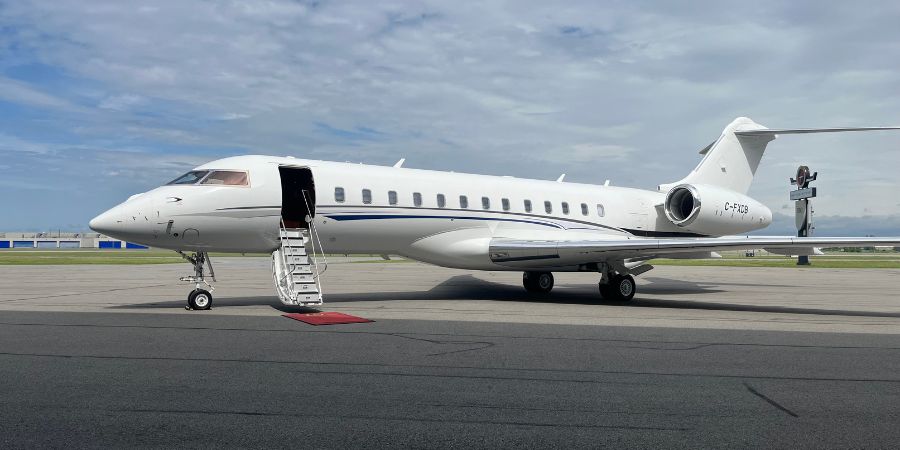
A private jet charter program allows an aircraft owner to make their aircraft available for third-party charter flights under professional management. The aircraft management company handles regulatory compliance, crew scheduling, maintenance coordination, marketing, and flight sales, while the owner retains priority access and final authority over availability.
Charter programs are designed to improve utilization—not to convert private ownership into a commercial airline operation.
How Does Charter Revenue Offset Private Jet Ownership Costs?
Charter revenue offsets ownership costs by reducing the owner’s net annual operating expenses, especially fixed costs like crew, insurance, and hangarage.
Typical Charter Revenue by Aircraft Category
Revenue varies based on aircraft size, market demand, geographic location, and availability. Light and midsize jets often see strong regional charter demand, while large-cabin aircraft perform well on longer routes and international travel.
Realistic Expectations for Aircraft Owners
Charter revenue typically offsets a portion of annual operating costs rather than covering them entirely. Owners should view chartering as a cost-management strategy, not an income stream.
How Aircraft Management Companies Maximize Charter Demand
Effective charter management includes:
- Active marketing through broker networks
- Competitive pricing strategies
- Maintaining charter-ready standards at all times
- Strategic scheduling to capture high-demand windows
How Do Owners Balance Personal Use and Charter Availability?
Owners balance personal use and charter availability by prioritizing owner trips first and releasing clearly defined availability windows for charter operations.
Owner Scheduling Always Comes First
Owner trips take absolute precedence. Charter availability is structured around known travel patterns, blackout dates, and owner-defined limits.
Balancing Charter Demand with Owner Access
Smart scheduling ensures the aircraft remains available when needed while capturing charter opportunities during idle periods.
Peak Season Planning
Charter demand increases during holidays and peak travel seasons. Planning ahead allows owners to protect key personal travel dates while benefiting from higher charter demand when availability allows.

What Is Required to Prepare a Private Jet for Charter?
Preparing a private jet for charter requires additional regulatory approvals, operational oversight, and presentation standards beyond private-use flying.
Safety and Regulatory Requirements
Charter operations require additional regulatory approvals, operational manuals, safety management systems, and oversight beyond private use.
Cabin Presentation and Client Expectations
Charter clients expect immaculate cabins, consistent amenities, and professional service standards. Ongoing presentation directly impacts charter demand and repeat bookings.
Insurance and Risk Management
Charter activity requires higher liability coverage and specific insurance structures, which must be carefully managed and reviewed regularly.
How Flightpath Structures Owner–Charter Programs
Flightpath Aviation USA structures owner–charter programs around transparency, owner priority, and sustainable utilization rather than maximum charter volume. Flightpath manages scheduling, reporting, regulatory compliance, and charter activity to ensure owner access is never compromised.
Transparent Accounting
Owners receive clear reporting that separates personal and charter activity, providing full visibility into revenue, expenses, and utilization metrics.
Realistic Revenue Forecasting
Forecasts are based on aircraft type, availability, historical demand, and market conditions—without inflated promises or unrealistic assumptions.
Simplified Scheduling for Owners
User-friendly scheduling tools allow owners to reserve trips easily while Flightpath manages charter requests, crew coordination, and operational logistics in the background.
Operational Scope & Management Services
Flightpath manages private aircraft across Canada and the U.S., providing charter management, regulatory oversight, crew management, and utilization strategy for owner-operated aircraft.
When Charter Revenue Does Not Make Sense
Charter revenue is not suitable for every owner. Aircraft with extremely limited availability, highly customized interiors, or owners requiring constant on-demand access may find chartering restrictive. In some cases, market demand or operating costs outweigh potential benefits. A reputable aircraft management company will advise against chartering when it does not align with the owner’s goals.
Frequently Asked Questions About Charter Revenue
Does chartering a private jet generate profit?
In most cases, no. Chartering is designed to offset operating costs rather than generate profit. It improves cost efficiency rather than replacing ownership expenses.
How much of my operating costs can charter revenue cover?
This varies by aircraft type, availability, and market demand. Charter revenue typically offsets a portion of fixed costs but rarely covers all expenses.
Do owners lose access to their aircraft when it is on charter?
No. Owner trips always take priority. Charter availability is structured around the owner’s schedule and preferences.
Is chartering mandatory when working with an aircraft management company?
No. Charter participation is optional and should align with the owner’s financial goals and usage requirements.
Talk to Flightpath About Charter Revenue Options
Charter revenue works best when guided by experience, data, and realistic planning. Flightpath Charter Airways helps owners evaluate whether chartering makes sense, structures programs around owner priorities, and manages every operational detail with safety and transparency at the forefront.
Curious whether charter revenue could offset operating costs for your aircraft?
Contact Flightpath Aviation USA to explore tailored charter utilization strategies that support smarter private jet ownership.