

Purchasing a corporate aircraft is a major strategic decision—one that impacts efficiency, cost control, executive mobility, and long-term operational flexibility. When approached thoughtfully, corporate aircraft acquisition can transform how a business travels. When rushed or misaligned, it can quickly become an expensive misstep.
This guide walks corporate decision-makers through the key stages of corporate aircraft acquisition, from mission analysis and aircraft selection to ownership structures and post-acquisition planning. With expert guidance from Flightpath Aviation USA, businesses can avoid common pitfalls and ensure their aircraft truly supports their operational goals.
Why Strategic Planning Matters Before Buying a Jet
A corporate jet should be a solution, not a status symbol. Strategic planning ensures the aircraft you acquire matches your company’s actual travel needs, budget realities, and long-term vision. Without a clear plan, organizations risk purchasing an aircraft that is underutilized, operationally inefficient, or far more expensive than anticipated.
Cost, Capability and Business Needs
The ideal aircraft balances acquisition cost, operating expenses, range, cabin size, and performance. Understanding how executives travel, where, how often, and with whom, helps align aircraft capability with real-world business requirements.
Avoiding Common Acquisition Mistakes
Common errors include buying too much aircraft, overlooking operating costs, underestimating maintenance obligations, or failing to plan for regulatory and staffing requirements. A structured acquisition process helps prevent these costly oversights when purchasing a private jet.
Step 1 — Analyze Your Corporate Travel Profile
Before comparing aircraft models, companies must first understand their own travel patterns. A detailed mission profile forms the foundation of a successful acquisition strategy.
Route Distances & Frequency: How far your teams travel—and how often—directly influences range, speed, and aircraft category. Regular regional trips may require a very different solution than frequent transcontinental or international travel.
Passenger Loads & Cargo Requirements: Cabin layout, seating capacity, and baggage volume should reflect typical use. Right-sizing the aircraft ensures comfort without unnecessary operating expense.
Airport Access & Runway Limitations: Some business destinations involve shorter runways or secondary airports. Aircraft performance, takeoff distance, and landing capabilities must align with these operational realities.
Seasonal Travel Patterns: Fluctuations in travel demand throughout the year can affect aircraft utilization, staffing, and cost efficiency. Planning for peak and off-peak usage is essential.

Step 2 — Determine the Ideal Aircraft Category
Once the mission profile is defined, aircraft categories can be evaluated based on capability, comfort, and cost.
- Light Jets: Well-suited for shorter routes and smaller teams, light jets offer speed, efficiency, and access to smaller airports with lower operating costs.
- Mid-size & Super Mid-size Jets: Mid-size and super mid-size jets provide greater range, cabin comfort, and flexibility making them ideal for longer regional routes and growing executive teams.
- Ultra Long Range Jets: Designed for international travel and maximum comfort, ultra long range jets support non-stop long-haul flights and advanced onboard amenities.
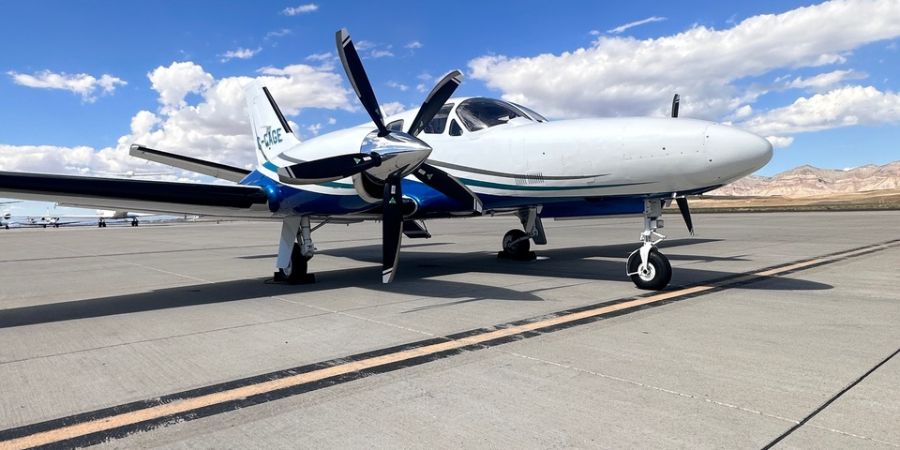
- Turboprops: Often overlooked, turboprops offer excellent efficiency, short-runway performance, and cost savings for regional corporate travel.
Step 3 — Assess Ownership Models
Aircraft ownership is not one-size-fits-all. Selecting the right ownership structure is just as important as choosing the right aircraft.
- Full Ownership: Provides maximum control and flexibility but requires full responsibility for operating costs, staffing, and compliance.
- Block Charter Program: A block charter program allows access to private aviation with shared costs, though availability and scheduling flexibility may be limited.
- Corporate Leases: Leasing can reduce upfront capital investment while still offering consistent access to an aircraft.
- Hybrid Structures: Some corporations combine ownership with charter or leasing strategies to optimize utilization and cost efficiency.
Step 4 — Build the Right Acquisition Team
A successful acquisition depends on experienced aircraft acquisition professionals working together to protect the buyer’s interests at every stage.
Technical & Pre-Purchase Inspections
Independent technical evaluations uncover maintenance issues, compliance gaps, and future cost risks before closing.
Legal, Tax & Compliance Support
Cross-border operations, tax structures, and regulatory frameworks require specialized aviation legal and tax expertise.
Selecting an Aircraft Management Partner
An experienced aircraft management company provides operational insight during acquisition and ensures a smooth transition into service.

Step 5 — Plan for Post-Acquisition Management
Acquisition is only the beginning. Long-term success depends on how the aircraft is managed after delivery.
Operational Cost Planning: Accurate budgeting for crew, fuel, maintenance, insurance, and training prevents financial surprises.
Maintenance Roadmap: A proactive maintenance plan reduces downtime, controls costs, and preserves asset value.
Charter Utilization Options: Placing the aircraft on a charter certificate can help offset operating expenses while maintaining strict operational control.
Why Corporations Choose Flightpath for Aircraft Acquisition
Flightpath Aviation USA provides end-to-end support for corporate aircraft acquisition, combining technical expertise, operational insight, and a deep understanding of North American business aviation. From mission analysis and aircraft selection to inspections, delivery, and long-term management, Flightpath acts as a trusted advisor, not a salesperson.
Whether acquiring a first corporate aircraft or optimizing an existing fleet, Flightpath ensures every decision aligns with your business objectives.
Ready to acquire an aircraft with confidence?
Contact Flightpath Aviation USA today to explore a strategic, risk-managed approach to corporate aircraft acquisition.
Frequently Asked Questions
What is corporate aircraft acquisition?
Corporate aircraft acquisition is the structured process of purchasing or securing access to a private aircraft that aligns with a company’s travel needs, budget, and long-term strategy. It includes mission analysis, aircraft selection, ownership model evaluation, inspections, and post-acquisition planning.
Why is strategic planning important before buying a corporate jet?
Strategic planning ensures the aircraft supports real business requirements rather than becoming an underutilized or overly expensive asset. Without proper planning, companies risk selecting an aircraft that doesn’t match their travel profile, operating budget, or regulatory obligations.
How do companies determine the right aircraft for their needs?
The right aircraft is selected by analyzing route distances, travel frequency, passenger and cargo requirements, airport and runway limitations, and seasonal travel patterns. This mission profile helps narrow down the ideal aircraft category and performance capabilities.
What are the different ownership models available for corporate aircraft?
Common ownership models include full ownership, block charter programs, corporate leasing, and hybrid structures. Each option offers different levels of control, flexibility, capital investment, and cost predictability.
What role do inspections play in aircraft acquisition?
Technical and pre-purchase inspections are critical to identifying maintenance issues, compliance gaps, and potential future costs before closing. Independent inspections help protect buyers from unexpected expenses and operational risks.
How can post-acquisition management impact long-term success?
Proper post-acquisition management controls operating costs, minimizes downtime, ensures regulatory compliance, and preserves aircraft value. This includes budgeting, maintenance planning, crew management, and exploring charter utilization options where appropriate.
Why do corporations choose Flightpath Aviation USA for aircraft acquisition?
Corporations choose Flightpath Aviation USA for its end-to-end acquisition support, deep North American aviation expertise, and advisory-driven approach. Flightpath helps businesses make informed, risk-managed decisions that align aircraft ownership with long-term corporate objectives.